
Blue Grosbeak (Passerina caerulea): Fun Facts, Habitat & Conservation
Blue Grosbeak (Passerina caerulea) is a deep-blue songbird with a bold presence and a big personality. Males are a rich, vibrant blue with chestnut wing bars, while females wear warm brown tones. Found in brushy fields and woodland edges, this striking bird is known for its sweet, musical song and eye-catching color.
Fun Facts About the Blue Grosbeak
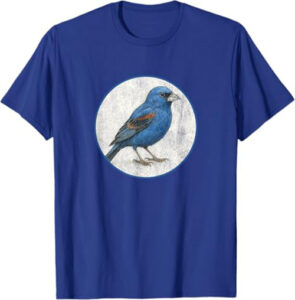
Blue Grosbeaks are most easily recognized by the male’s rich, deep blue plumage, accented by bold chestnut wing bars and a large, silvery bill. Females and immature birds are more subdued in appearance, showing warm brown tones with hints of blue on the wings and tail. This contrast between sexes makes the species easy to identify during the breeding season.
Blue Grosbeaks are primarily seed and insect feeders. Their thick, powerful bills allow them to crack hard seeds, while insects become an important part of their diet during the breeding season. They forage in shrubs, low trees, and open fields, often remaining well hidden within dense vegetation.
Breeding behavior in Blue Grosbeaks is closely tied to warm weather and suitable nesting habitat. They build compact cup-shaped nests in shrubs, hedgerows, or low trees, usually well concealed. Breeding pairs are territorial, and males often sing persistently from exposed perches to defend their nesting areas.
In flight, Blue Grosbeaks appear direct and purposeful, with strong wingbeats and short glides between feeding areas. They typically travel low over fields and brushy edges rather than in high, open formations.
Blue Grosbeaks are generally solitary or found in pairs during the breeding season, becoming more social during migration and winter when small groups may gather in suitable feeding areas. This flexible social behavior helps them adapt to changing seasonal conditions.
Blue Grosbeaks are often considered indicators of healthy grasslands and early successional landscapes, adding both color and song to the southern and central regions of North America.
Blue Grosbeak Conservation
Blue Grosbeaks are currently considered to be of low conservation concern, with stable populations across much of their breeding range in the central and southern United States. Their success is closely tied to their ability to use a variety of open and semi-open habitats, including brushy fields, grasslands, hedgerows, and woodland edges. These landscapes provide the mix of cover and open space needed for feeding and nesting.
Despite their overall stability, Blue Grosbeaks can be affected by changes in land use. The removal of hedgerows, intensive agriculture, and widespread herbicide use can reduce nesting sites and food availability. Because they rely on dense shrubs for nesting, the loss of early successional habitat may lead to localized population declines.
The long-term health of Blue Grosbeak populations depends on maintaining diverse open landscapes. Preserving grasslands, allowing natural shrub growth along field edges, and supporting bird-friendly land management practices help ensure that this vibrant songbird continues to thrive. Conservation efforts that promote habitat diversity benefit not only Blue Grosbeaks but also many other species that depend on similar environments.
Blue Grosbeak Apparel & Merch by Bird Fantastic

Blue Grosbeak FAQ
What does a Blue Grosbeak look like?
Blue Grosbeaks are medium-sized songbirds with a large, conical bill and sturdy bodies. Adult males are deep, rich blue with bold chestnut wing bars and a thick, silvery-gray bill, while females and immature birds are warm brown with hints of blue on the wings and tail for camouflage in brushy habitats.
Where do Blue Grosbeaks live?
Blue Grosbeaks breed across the central and southern United States and parts of northern Mexico. They prefer open and semi-open habitats such as grasslands, brushy fields, hedgerows, and woodland edges. During winter, many migrate to Mexico, Central America, and the Caribbean.
What do Blue Grosbeaks eat?
Blue Grosbeaks eat a mixed diet of seeds and insects. Seeds form a large part of their diet, especially outside the breeding season, while insects are important for feeding young. Their strong bills allow them to crack hard seeds that many other songbirds cannot.
Do Blue Grosbeaks migrate?
Yes. Blue Grosbeaks are migratory birds. Most populations move south in fall to wintering grounds in Mexico, Central America, and the Caribbean, returning north in spring to breed.
How do Blue Grosbeaks breed?
Blue Grosbeaks build cup-shaped nests in shrubs, low trees, or dense vegetation. The female typically lays three to five eggs, and both parents help care for the young. Males sing persistently from exposed perches to defend their nesting territories.
Are Blue Grosbeaks social birds?
Blue Grosbeaks are generally solitary or found in pairs during the breeding season. Outside of breeding, they may gather in small groups, especially during migration or while feeding in wintering areas.
Are Blue Grosbeaks endangered?
Blue Grosbeaks are currently considered a species of low conservation concern, with stable populations across much of their range. However, local declines can occur where suitable habitat is lost.
Why are Blue Grosbeaks important to ecosystems?
Blue Grosbeaks help control insect populations during the breeding season and contribute to seed dispersal in open habitats. Their presence is often associated with healthy grassland and early successional ecosystems.

Bird Fantastic TM | Designed in Pittsburgh