
Blue-footed Booby (Sula nebouxii): Fun Facts, Habitat & Conservation
The Blue-footed Booby (Sula nebouxii) is one of the most recognizable and charismatic seabirds of the eastern Pacific. Famous for its vivid blue feet and playful courtship dances, this tropical bird stands out on rocky islands and coastal shores. With its sleek body, piercing gaze, and dramatic plunge-diving hunts, the Blue-footed Booby brings color, motion, and personality to the ocean landscape, making it a favorite among birdwatchers and wildlife enthusiasts around the world.
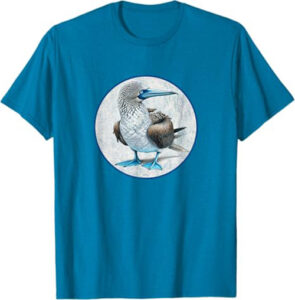
Fun Facts About the Blue Footed Booby
Blue-footed Booby are instantly recognizable thanks to their striking turquoise-blue feet, a feature that becomes especially vivid during the breeding season. Males often display the brightest coloration, while females are typically slightly larger with more muted foot color and darker pupils. Their clean white underparts, warm brown upper bodies, and long pointed wings give them a crisp, high-contrast appearance well suited to life along sunlit tropical coasts.
Blue-footed Boobies are famous for their elaborate courtship rituals. Males perform a high-stepping dance, deliberately lifting and showing off each foot while whistling and spreading their wings. The intensity of the blue coloration plays a key role in mate selection, signaling health and fitness. These displays make breeding colonies some of the most entertaining spectacles in the bird world.
Feeding behavior is just as dramatic. Blue-footed Boobies are expert plunge divers, hunting fish by dropping headfirst from the air into the ocean. Their streamlined bodies and keen eyesight allow them to spot prey from above the surface, while their strong necks and sharp bills help them capture fish underwater with remarkable precision.
Unlike many seabirds that nest in trees or cliffs, Blue-footed Boobies nest directly on the ground. They scrape shallow depressions into sandy or rocky terrain on islands and coastal shores, often forming loose colonies. Their webbed feet also play a surprising role here, helping keep eggs warm during incubation.
Blue-footed Boobies are social birds throughout much of the year. They are often seen resting, fishing, and traveling in groups, especially around productive coastal waters. While strongly associated with iconic locations like the Galápagos Islands, they range widely across the eastern Pacific, from the Gulf of California south to Peru.
Blue Footed Booby Conservation
The Blue-footed Booby is currently classified as a species of Least Concern, with a wide distribution across the tropical and subtropical eastern Pacific. Overall populations remain relatively stable, supported by the bird’s strong adaptation to marine environments and its efficient plunge-diving hunting strategy. Remote islands and protected coastal areas provide important breeding and roosting sites that help sustain healthy colonies.
Despite this stability, Blue-footed Boobies are closely tied to the health of ocean ecosystems and are sensitive to changes in marine food availability. Overfishing, climate-driven shifts in ocean temperatures, and changes in fish distribution can directly affect breeding success, as adults rely on abundant small fish to feed their chicks. In some regions, population declines have been linked to reduced prey availability during key breeding periods.
Human disturbance at nesting sites can also pose challenges. Because Blue-footed Boobies nest on open ground, increased tourism, coastal development, and introduced predators can negatively impact eggs and chicks if not carefully managed. Conservation efforts that protect breeding islands, regulate human access, and maintain sustainable fisheries are essential.
By safeguarding productive coastal waters and preserving undisturbed nesting habitats, conservation programs help ensure that the Blue-footed Booby remains a thriving symbol of tropical oceans. Protecting this iconic seabird also supports the broader marine ecosystems on which countless other species depend.
Blue Footed Booby Apparel & Merch by Bird Fantastic


Blue Footed Booby FAQ
What does a Blue-footed Booby look like?
The Blue-footed Booby is a medium-sized seabird with a streamlined body, long pointed wings, and a stout, dagger-like bill. Its most famous feature is its vivid turquoise-blue feet, which contrast sharply with its white underparts and warm brown upper body. Males and females look similar, though females are usually slightly larger with darker eyes.
Where do Blue-footed Boobies live?
Blue-footed Boobies are found along the tropical and subtropical coasts of the eastern Pacific Ocean. Their range extends from the Gulf of California south through Central America to Peru, with especially well-known populations in the Galápagos Islands. They spend much of their time over the open ocean and nest on coastal islands and shorelines.
What do Blue-footed Boobies eat?
Their diet consists mainly of small fish such as sardines, anchovies, and mackerel. Blue-footed Boobies hunt by plunge-diving, dropping headfirst from the air into the water to capture prey beneath the surface.
How do Blue-footed Boobies hunt?
They are expert aerial hunters, using keen eyesight to spot fish from above the ocean. Once prey is located, they fold their wings and dive at high speed, entering the water cleanly and pursuing fish underwater for short distances.
Do Blue-footed Boobies migrate?
Blue-footed Boobies are generally non-migratory. Most individuals remain within the same coastal regions year-round, although they may move locally in response to food availability and ocean conditions.
Why are their feet blue?
The bright blue coloration comes from pigments obtained through their diet and serves as an important signal during courtship. Brighter blue feet indicate better health and play a key role in mate selection.
What is the Blue-footed Booby’s courtship dance?
Males perform a distinctive high-stepping dance, lifting each foot in turn to display its color while spreading their wings and calling to potential mates. This behavior is one of the most famous courtship displays in the bird world.
Are Blue-footed Boobies common?
Yes, they are currently considered a species of Least Concern, with stable populations across much of their range. However, local numbers can fluctuate depending on ocean conditions and food availability.
Are Blue-footed Boobies important to ecosystems?
As marine predators, Blue-footed Boobies help regulate fish populations and serve as indicators of ocean health. Changes in their breeding success or numbers can reflect broader shifts in marine ecosystems.

Bird Fantastic TM | Designed in Pittsburgh