
American White Pelican (Pelecanus erythrorhynchos): Fun Facts, Habitat & Conservation
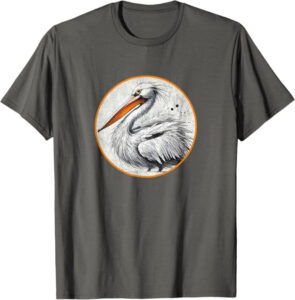
American White Pelican (Pelecanus erythrorhynchos) is a massive, graceful waterbird with bright white feathers, black wingtips, and an enormous orange bill. Unlike its coastal cousin, this pelican often soars inland, gliding effortlessly over lakes and wetlands. Known for cooperative fishing and majestic flight formations, it’s a true icon of North America’s open waters.
Fun Facts About the American White Pelican
American White Pelicans are instantly recognizable for their immense size and striking black-and-white plumage. During the breeding season, adults develop a distinctive flat, horn-like plate on the upper bill, a temporary feature used in courtship. Their snowy white bodies contrast sharply with jet-black flight feathers, creating a dramatic silhouette when they soar overhead or gather on open water.
Unlike plunge-diving pelicans, American White Pelicans feed cooperatively. They often work together in groups, swimming in arcs or lines to herd fish into shallow water before scooping them up with their enormous bills. This social feeding strategy is highly effective and sets them apart from their coastal relatives.
American White Pelicans breed in large colonies on remote islands in inland lakes and wetlands. Nesting typically occurs in late spring and early summer, with both parents sharing incubation and chick-rearing duties. These isolated breeding sites protect from predators and human disturbance.
Their flight is powerful yet graceful. Despite their size, American White Pelicans soar effortlessly on thermal currents, often traveling long distances between feeding and roosting areas. When in flight, their broad wings and slow wingbeats make them unmistakable against the sky.
Outside the breeding season, American White Pelicans are highly social and migratory. They form large flocks that move south to coastal bays, estuaries, and inland waters of the southern United States and Mexico for the winter. These gatherings can include hundreds of birds resting together on sandbars or open water.
With their cooperative behavior, impressive wingspan, and commanding presence, American White Pelicans are often considered the ambassadors of large freshwater wetlands and shallow coastal waters.
American White Pelican Conservation
The American White Pelican is currently considered a species of Least Concern, with large populations distributed across much of North America. Its numbers today reflect one of the most notable conservation recoveries among North American waterbirds. Following severe declines in the mid-20th century due to pesticide contamination and habitat loss, populations rebounded after environmental protections and the banning of harmful chemicals such as DDT.
Despite this recovery, American White Pelicans remain closely tied to the health of wetlands, lakes, and coastal waters. They rely on clean, productive aquatic ecosystems that support abundant fish populations. Wetland drainage, water diversion, pollution, and declining water quality can reduce food availability and disrupt breeding and feeding areas, particularly at inland nesting sites.
The species also depends on undisturbed breeding colonies located on isolated islands in lakes and reservoirs. Human disturbance, fluctuating water levels, and increased recreational activity near nesting areas can negatively impact breeding success. Protecting these colony sites and maintaining stable water conditions are especially important during the nesting season.
Because American White Pelicans occupy the top levels of freshwater and coastal food webs, they serve as indicators of ecosystem health. Continued conservation of wetlands, sustainable water management, and protection of large aquatic habitats help ensure that this impressive and highly social bird remains a thriving symbol of North America’s great water landscapes.
American White Pelican Apparel & Merch by Bird Fantastic

American White Pelican FAQ
What does an American White Pelican look like?
The American White Pelican is one of the largest birds in North America, characterized by a massive body, a long neck, and an enormous orange bill. Adults are bright white overall, with bold black flight feathers that are most visible in flight. During the breeding season, they develop a distinctive flat, horn-like plate on the upper bill that later falls off.
Where do American White Pelicans live?
American White Pelicans are found across much of North America. They breed at inland lakes and wetlands in the northern United States and Canada, often on remote islands. During winter, they migrate south to coastal areas, estuaries, and large bodies of water in the southern United States, Mexico, and Central America.
What do American White Pelicans eat?
Their diet consists mainly of fish, including minnows and other small freshwater and coastal species. Unlike Brown Pelicans, they do not dive from the air. Instead, they feed by scooping fish from the water’s surface or just below it.
How do American White Pelicans hunt?
American White Pelicans often feed cooperatively. Groups of birds work together to herd fish into shallow water, then scoop them up with their large bills. This coordinated strategy makes them highly efficient feeders.
Do American White Pelicans migrate?
Yes. American White Pelicans are long-distance migrants. After the breeding season, they travel south in large flocks to warmer regions, returning north again in spring to breed.
When do American White Pelicans breed?
They typically breed in late spring and early summer. Nesting occurs in large colonies, where both parents share incubation duties and care for the chicks.
Are American White Pelicans common?
Yes. They are currently considered a species of Least Concern, with stable or increasing populations across much of their range, following a strong recovery from mid-20th-century declines.
Are American White Pelicans important to ecosystems?
As top-level fish predators, American White Pelicans help regulate fish populations and serve as indicators of wetland and aquatic ecosystem health. Their presence reflects the condition of large lakes, rivers, and coastal waters across North America.

Bird Fantastic TM | Designed in Pittsburgh