
American Oystercatcher (Haematopus palliatus): Fun Facts, Habitat & Conservation
Fun Facts About the American Oystercatcher
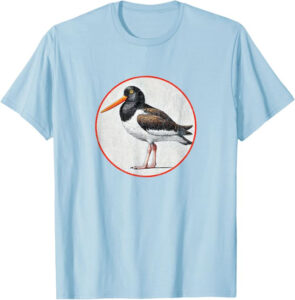
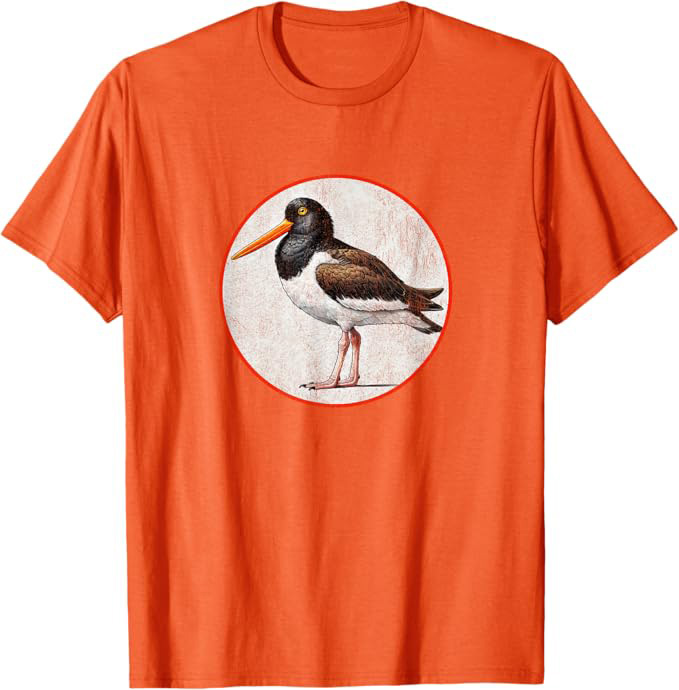
American Oystercatchers are instantly recognizable by their bold black-and-white plumage, long bright orange bill, and striking yellow eyes. Unlike many birds with subtle coloration, both males and females look alike year-round, standing out dramatically against pale sand and coastal waters. Their sturdy build and upright posture give them a commanding presence along shorelines.
True to their name, American Oystercatchers are specialized feeders with powerful bills adapted for prying open shellfish. They feed primarily on oysters, mussels, clams, and other marine invertebrates, using precise techniques to break or pry shells apart. This feeding style makes them closely tied to healthy intertidal ecosystems.
Breeding behavior sets them apart from many other shorebirds. American Oystercatchers nest directly on open beaches, sandbars, and shell-covered flats, creating shallow scrapes in the sand. Their eggs and chicks rely on camouflage to blend into the surroundings, while adults fiercely defend nesting territories from predators and intruders.
Their flight is strong and direct, with steady wingbeats carrying them low over the shoreline. In flight, the contrasting black-and-white wings and bright bill remain visible even at a distance. Their loud, high-pitched calls often announce their presence long before they are seen.
Outside the breeding season, American Oystercatchers become more social, forming small flocks along productive feeding areas. These groups forage together on tidal flats and roost communally, especially during winter months when food availability shifts with the tides.
With their vivid appearance, specialized feeding habits, and close relationship with coastal habitats, American Oystercatchers are often considered ambassadors of beaches and tidal flats, bringing life, sound, and unmistakable character to North America’s shorelines year-round.
American Oystercatcher Conservation
The American Oystercatcher is currently considered a species of conservation concern in parts of its range, with populations that are stable in some areas but vulnerable in others. Its success is closely tied to the availability of healthy coastal habitats and abundant shellfish populations. Sandy beaches, barrier islands, tidal flats, and estuaries provide essential nesting and feeding grounds, making this species highly dependent on intact shoreline ecosystems.
Despite targeted conservation efforts, American Oystercatchers face ongoing challenges. Coastal development, recreational disturbance on beaches, habitat loss, and rising sea levels can reduce suitable nesting areas and increase nest failure. Because they nest directly on open sand, eggs and chicks are especially vulnerable to human activity, predators, and storm events.
Because American Oystercatchers rely on undisturbed beaches and productive intertidal zones, they are closely tied to the overall health of coastal ecosystems. Protecting nesting beaches, managing human activity during the breeding season, conserving shellfish resources, and supporting shoreline conservation initiatives help ensure that this striking and iconic shorebird continues to thrive along North America’s coasts.
American Oystercatcher Apparel & Merch by Bird Fantastic
American Oystercatcher FAQ
What does an American Oystercatcher look like?
The American Oystercatcher is a large, bold shorebird with black-and-white plumage, a long, bright orange bill, and striking yellow eyes. Its sturdy body, thick legs, and upright posture make it easy to recognize along the coast.
Where do American Oystercatchers live?
American Oystercatchers are found along the Atlantic and Gulf coasts of North America. They inhabit sandy beaches, barrier islands, tidal flats, estuaries, and shell-covered shorelines.
What do American Oystercatchers eat?
They feed primarily on shellfish such as oysters, mussels, clams, and other marine invertebrates. Using their strong bills, they pry open or break shells to access their prey.
Do American Oystercatchers migrate?
American Oystercatchers are partial migrants. Some northern populations move south during winter, while birds in warmer coastal regions may remain in the same area year-round.
Where do American Oystercatchers nest?
They nest directly on open sand, shell beaches, or sandbars, creating shallow scrapes in the ground. Their eggs rely on camouflage, and adults actively defend nesting sites from threats.
What does an American Oystercatcher’s call sound like?
Their call is loud, high-pitched, and whistling, often described as a sharp “peep” or repeated piping notes that carry across open beaches.
Are American Oystercatchers common?
American Oystercatchers are locally common in suitable coastal habitats but are less widespread than many shorebirds. Their populations are closely monitored due to habitat sensitivity.
Are American Oystercatchers important to ecosystems?
By feeding on shellfish, American Oystercatchers help maintain balanced intertidal ecosystems. They are also an indicator species, reflecting the health of coastal habitats and shoreline environments.

Bird Fantastic TM | Designed in Pittsburgh