
Northern Mockingbird (Mimus polyglottos): Fun Facts, Habitat & Conservation
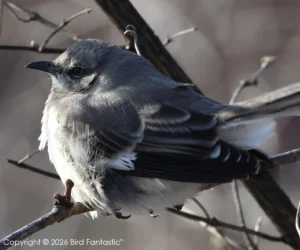
Fun Facts About the Northern Mockingbird
Northern Mockingbirds are famous for their astonishing vocal abilities. A single bird can learn and perform dozens, and sometimes hundreds, of different songs, including the calls of other birds, frogs, dogs, car alarms, and even squeaky gates. They often repeat each phrase several times before switching, making their performances easy to recognize once you know the pattern.
Unlike many songbirds that sing only during the breeding season, mockingbirds sing year-round. Males are especially vocal at night during spring and early summer, a behavior thought to help attract mates and defend territory. These nighttime concerts can be surprisingly loud and persistent.
Northern Mockingbirds are highly territorial and fearless. They aggressively defend their nesting areas and are known to chase away much larger animals, including hawks, cats, dogs, and even humans, by diving and snapping their bills. This bold behavior is a big part of their reputation.
Their wing flashes are not just for show. The white patches on their wings and tail become highly visible in flight, especially during territorial displays. These flashes may help intimidate rivals or communicate dominance while the bird is on the move.
Mockingbirds are adaptable feeders. During warmer months, they eat insects, spiders, and other invertebrates, while fall and winter diets shift heavily toward berries and fruits. This flexibility allows them to thrive in natural habitats as well as urban and suburban environments.
With their intelligence, confidence, and unmatched musical talent, Northern Mockingbirds are often considered the performers of the bird world, filling open spaces and neighborhoods with sound and personality wherever they live.
Northern Mockingbird Conservation
The Northern Mockingbird is currently considered a species of low conservation concern, with stable populations across much of its range in North America. Its success is largely due to its remarkable adaptability and flexible diet. Northern Mockingbirds thrive in a wide variety of habitats, including open woodlands, forest edges, farms, parks, and suburban neighborhoods, allowing them to coexist closely with human development.
Despite its overall stability, the Northern Mockingbird still benefits from thoughtful habitat management. The loss of native shrubs, hedgerows, and fruit-bearing plants can reduce important food sources, especially during fall and winter when berries make up a large portion of their diet. Widespread pesticide use can also affect insect availability during the breeding season, when protein-rich prey is essential for raising young.
Because Northern Mockingbirds rely on both insects and native fruits, they are closely tied to the health of diverse, plant-rich landscapes. Preserving natural vegetation, planting native berry-producing shrubs, and reducing chemical use in yards and green spaces help support healthy populations. By maintaining bird-friendly environments, we can ensure that the Northern Mockingbird continues to fill North American landscapes with its bold presence and extraordinary song for generations to come.
Northern Mockingbird Apparel & Merch by Bird Fantastic

Northern Mockingbird FAQ
What does a Northern Mockingbird look like?
The Northern Mockingbird is a medium-sized songbird with gray upperparts, a pale underside, and long legs and tail. It has bold white wing patches and white outer tail feathers that are especially noticeable in flight. Males and females look very similar.
Where do Northern Mockingbirds live?
Northern Mockingbirds are found across much of North America. They inhabit open woodlands, forest edges, farms, parks, gardens, and suburban neighborhoods, often living close to people.
What do Northern Mockingbirds eat?
Northern Mockingbirds have a varied diet. During spring and summer, they eat insects, spiders, and other invertebrates. In fall and winter, they rely heavily on fruits and berries from native shrubs and trees.
Do Northern Mockingbirds migrate?
Northern Mockingbirds are mostly non-migratory. Many individuals remain in the same area year-round, though some northern populations may move short distances south during winter.
Why are Northern Mockingbirds so vocal?
They use song to defend territory and attract mates. Their ability to mimic the sounds of other birds and environmental noises helps them stand out acoustically and may signal intelligence and fitness to potential mates.
What does a Northern Mockingbird’s song sound like?
Their song is a long, complex series of repeated phrases, often made up of imitations of other birds and sounds. Each phrase is usually repeated several times before the bird switches to a new sound.
Are Northern Mockingbirds common?
Yes, Northern Mockingbirds are widespread and abundant across their range, especially in open and suburban environments with suitable vegetation.
Are Northern Mockingbirds important to ecosystems?
Yes. By feeding on insects, Northern Mockingbirds help control insect populations, and by eating fruit, they aid in seed dispersal. They are an important and influential species in many open and human-modified landscapes.

Bird Fantastic TM | Designed in Pittsburgh